SIBO: What It Is, Symptoms, Diagnosis and Definitive Treatment
Complete guide to SIBO (Small Intestinal Bacterial Overgrowth): symptoms, causes, diagnosis, treatment and its relationship to your gut microbiome.
SIBO: Small Intestinal Bacterial Overgrowth Explained
SIBO (Small Intestinal Bacterial Overgrowth) is one of the most common yet underdiagnosed digestive conditions. It is estimated to affect 6-15% of the general population, and in people with irritable bowel syndrome (IBS), prevalence climbs to 30-85% in some studies.
Despite being so widespread, most people with SIBO go undiagnosed for years, eliminating foods blindly or being told "everything looks normal in the labs." If that sounds familiar, this guide is for you.
What exactly is SIBO?
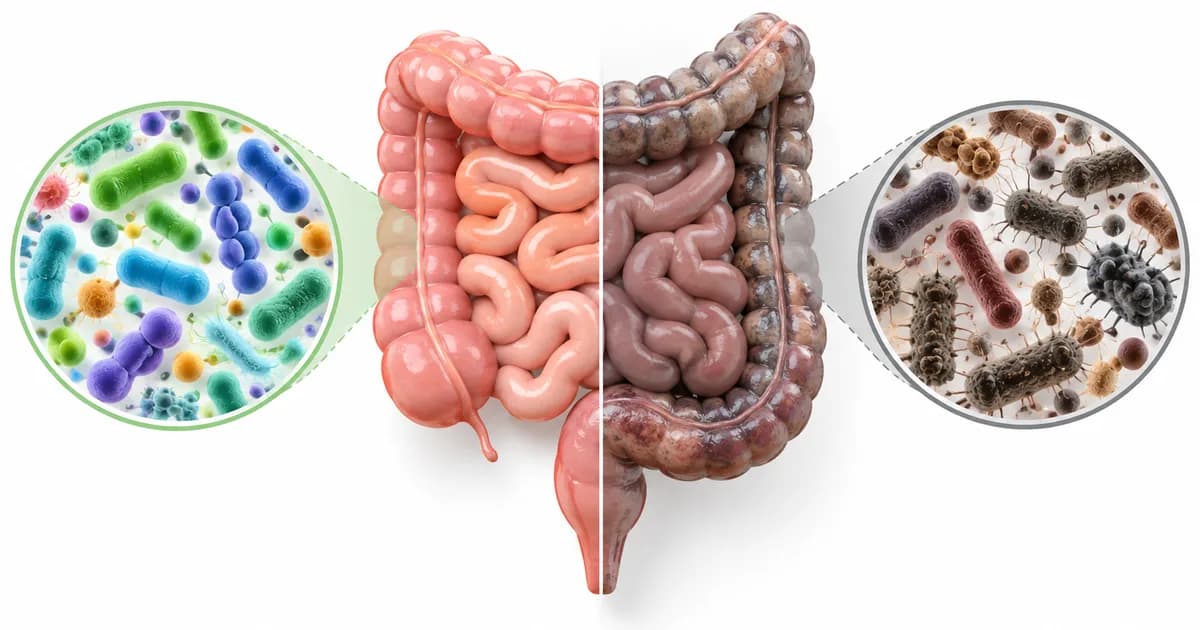
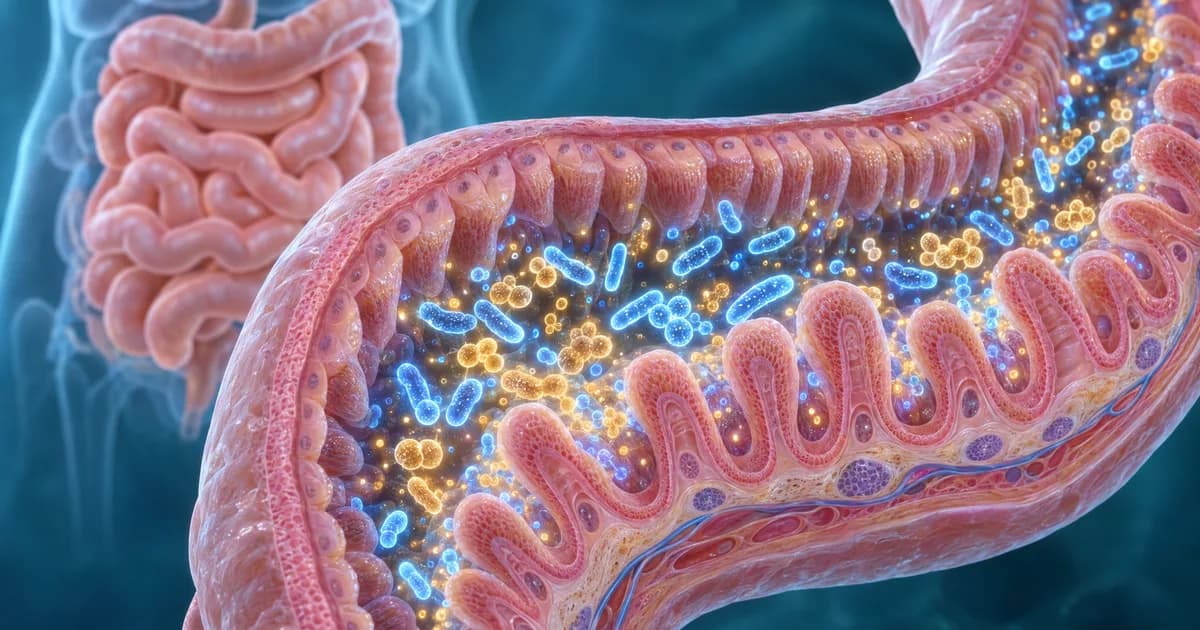
Normally, the small intestine (where most digestion and nutrient absorption happens) contains fewer than 10,000 colony-forming units per milliliter (CFU/ml). The main concentration of bacteria should remain in the large intestine (colon), where it reaches trillions.
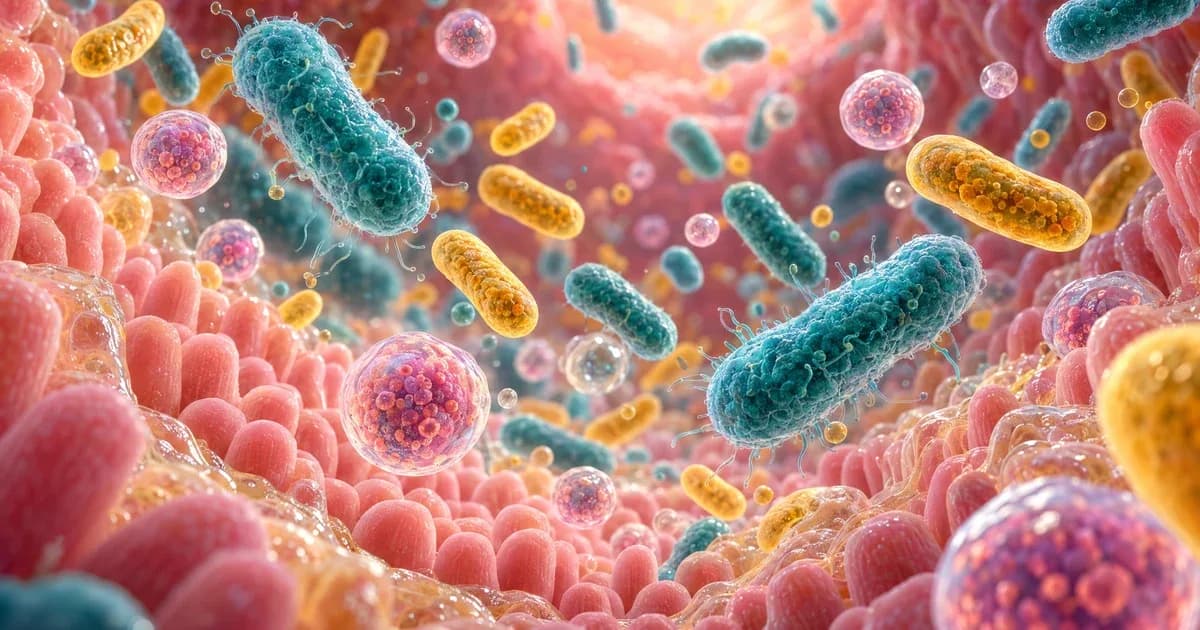
In SIBO, colonic bacteria — or bacteria that shouldn't be there in those numbers — migrate or multiply in the small intestine. They compete for nutrients, ferment carbohydrates where fermentation shouldn't occur, and damage the intestinal lining.
Types of SIBO by gas produced
- Hydrogen SIBO (H2): most common; linked to diarrhea.
- Methane SIBO / IMO (CH4): produced by archaea (Methanobrevibacter smithii); slows intestinal motility and is linked to constipation.
- Hydrogen sulfide SIBO (H2S): least studied; associated with diarrhea, intense-odor gas, and refractory IBS-D.
The type of SIBO determines the most appropriate treatment, which is why correct diagnosis is essential.
SIBO symptoms
- Abdominal bloating that worsens during the day (especially after carbohydrates)
- Excessive gas and flatulence, often with strong odor
- Abdominal pain or discomfort, mainly postprandial
- Diarrhea (hydrogen SIBO) or constipation (methane SIBO), or alternating both
- Nausea, especially after fatty meals
- Acid reflux or frequent belching
- Chronic fatigue from nutrient malabsorption
- Brain fog: difficulty concentrating, mental cloudiness
- Nutritional deficiencies: especially vitamin B12, iron, and fat-soluble vitamins (A, D, E, K)
- Multiple food intolerances and histamine sensitivity
- Skin issues: rosacea, acne, eczema (via the gut-skin axis)
Warning sign: if symptoms appear or worsen 30-90 minutes after eating — especially carbohydrate-rich meals — SIBO is a very likely cause.
Causes and risk factors
SIBO develops when the small intestine's protective mechanisms break down:
- Intestinal dysmotility: the migrating motor complex (MMC) sweeps bacteria toward the colon between meals. When it's slow or impaired (hypothyroidism, diabetes, scleroderma, opioid use), bacteria have time to proliferate.
- Hypochlorhydria: low stomach acid. Gastric acid is the first antibacterial barrier. Long-term proton pump inhibitors (omeprazole, pantoprazole) reduce this acid and favor SIBO.
- Incompetent ileocecal valve: prevents bacterial backflow from the colon. If it doesn't seal properly, colonic bacteria can migrate upward.
- Prior abdominal surgery: especially gastrectomy, bariatric surgery, or bowel resection, which can create blind loops where bacteria accumulate.
- Prior antibiotics: can disrupt the microbiota and favor resistant bacteria in the small intestine.
- Chronic stress: alters intestinal motility and gastric acid production.
- Diet high in refined carbohydrates: provides the perfect substrate for bacterial fermentation in the small intestine.
Diagnosing SIBO: the breath test
The standard diagnosis is the lactulose or glucose breath test. If bacteria are in the small intestine, they ferment the substrate and produce gases (H2 or CH4) that are absorbed into the bloodstream and exhaled through the lungs, where they can be measured.
The process: 2 days of a preparatory diet → 12-hour overnight fast → ingest the substrate → breath samples every 15-20 minutes for 2-3 hours.
Important: the breath test does not detect hydrogen sulfide SIBO and doesn't precisely identify which bacteria are involved. That's why it pairs ideally with a gut microbiota analysis, which maps the entire intestinal ecosystem.
SIBO treatment
1. Bacterial eradication
Rifaximin, a non-absorbable antibiotic acting locally in the gut, achieves 70-80% eradication of hydrogen SIBO. For methane SIBO, it's combined with neomycin. Rifaximin requires a prescription.
As an alternative, antimicrobial essential oils (oregano oil, berberine, allicin, caprylic acid) have shown comparable efficacy in some studies, with fewer side effects and no prescription needed.
2. Dietary support
A low-FODMAP diet during treatment reduces the fermentation substrate and eases symptoms. It is not a permanent solution — long-term fiber restriction damages the microbiota — but it's useful as temporary treatment support.
3. Treating the root cause
Without correcting the underlying cause, SIBO relapse is very common. This may include: improving intestinal motility (natural or pharmacological prokinetics), reducing or stopping PPIs if not essential, correcting hypothyroidism, diabetes, or other underlying conditions, and managing chronic stress.
SIBO and the gut microbiota
SIBO is not an isolated small intestine problem: it's deeply connected to the state of your colonic microbiota. A dysbiotic microbiota creates a more favorable environment for SIBO, and SIBO in turn worsens dysbiosis. That's why a gut microbiota analysis provides the complete picture that a breath test alone cannot.
Suspect SIBO? Map your complete gut ecosystem
The VitalOme Test analyzes more than 5,000 microbial species and provides a detailed map of your intestinal ecosystem, including inflammation markers and intestinal permeability indicators that are frequently altered in SIBO. Done from home, results in 2 weeks.
Order my VitalOme Test — €249Want to know the state of your gut microbiome?
Analyse your gut microbiome at home with VitalOme
Over 5,000 bacterial species analysed. Results in the app in 2 weeks. Free shipping in Spain.
Order my VitalOme kit — €249