Gut Microbiome: How to Improve It with Diet and Lifestyle
Discover the most effective strategies to improve your gut microbiome: probiotic foods, prebiotics, exercise and science-backed lifestyle changes.
Gut Microbiome: How to Improve It with Diet and Lifestyle
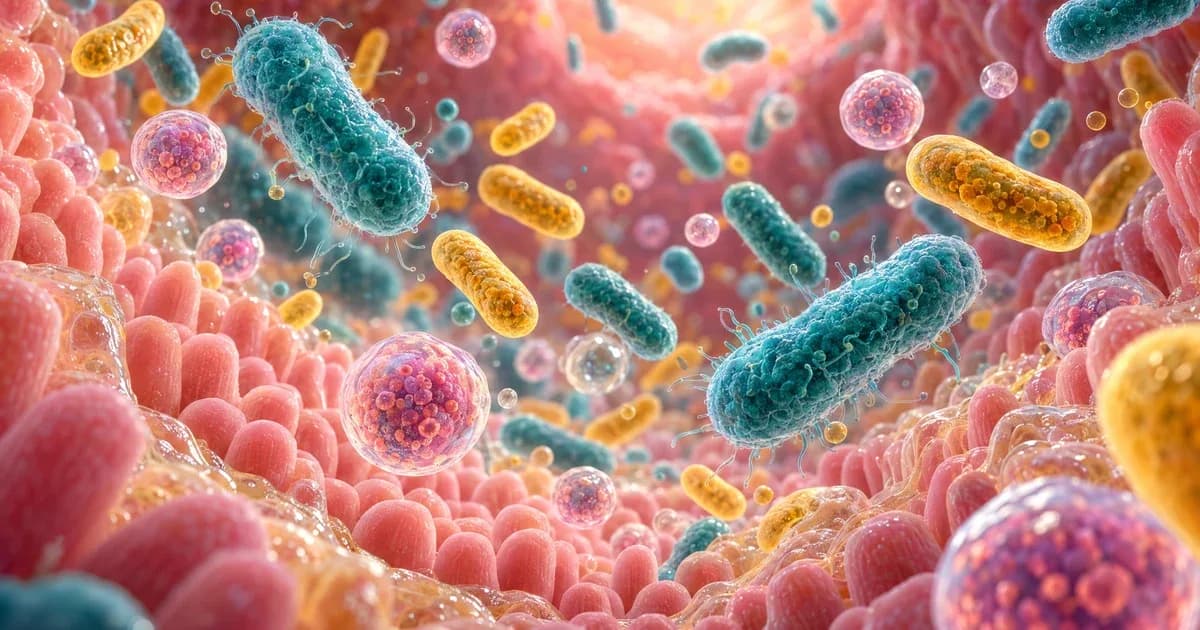
Your gut microbiome — the trillions of microorganisms living in your intestine — directly influences your digestive, immune and mental health. The good news: you can improve it with specific changes to your diet and lifestyle.
Why Improving Your Microbiome Matters
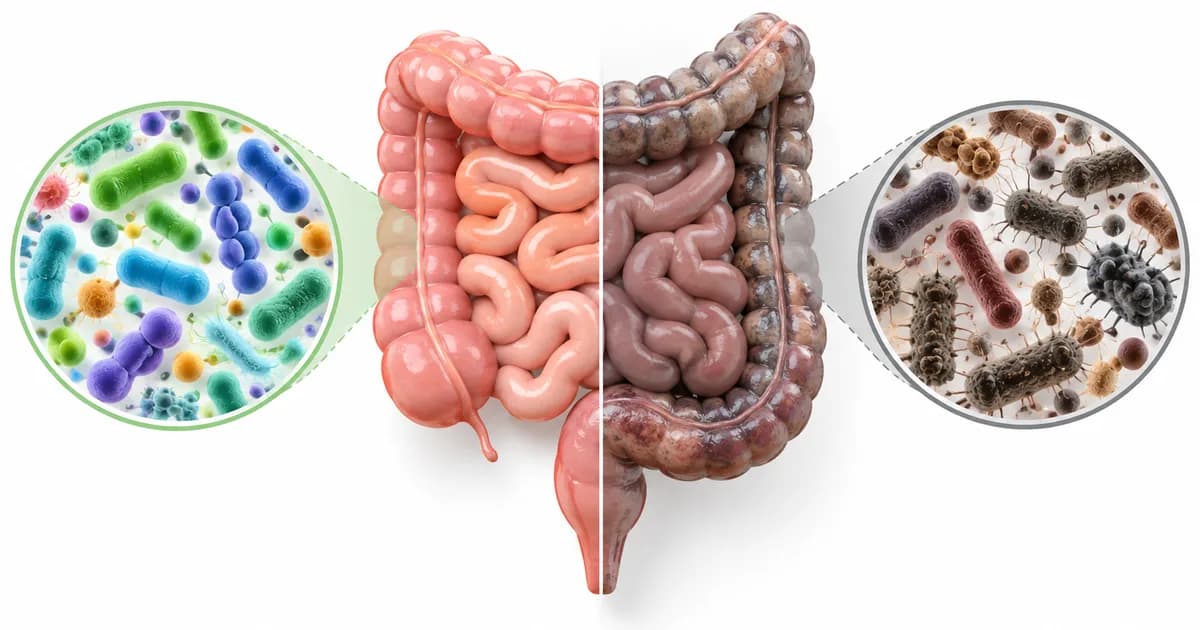
A balanced microbiome (eubiosis) supports:
- Efficient, comfortable digestion
- A stronger immune system
- Better mood and more serotonin production
- Healthier body weight
- Less systemic inflammation
When the microbiome becomes unbalanced (dysbiosis), symptoms like bloating, diarrhea, chronic fatigue or increased susceptibility to infections can appear.
10 Strategies to Improve Your Gut Microbiome
1. Increase the Diversity of Plant Foods
The more types of fruits, vegetables, legumes, whole grains and nuts you eat, the more diverse your microbiome will be. Goal: 30 different plant foods per week.
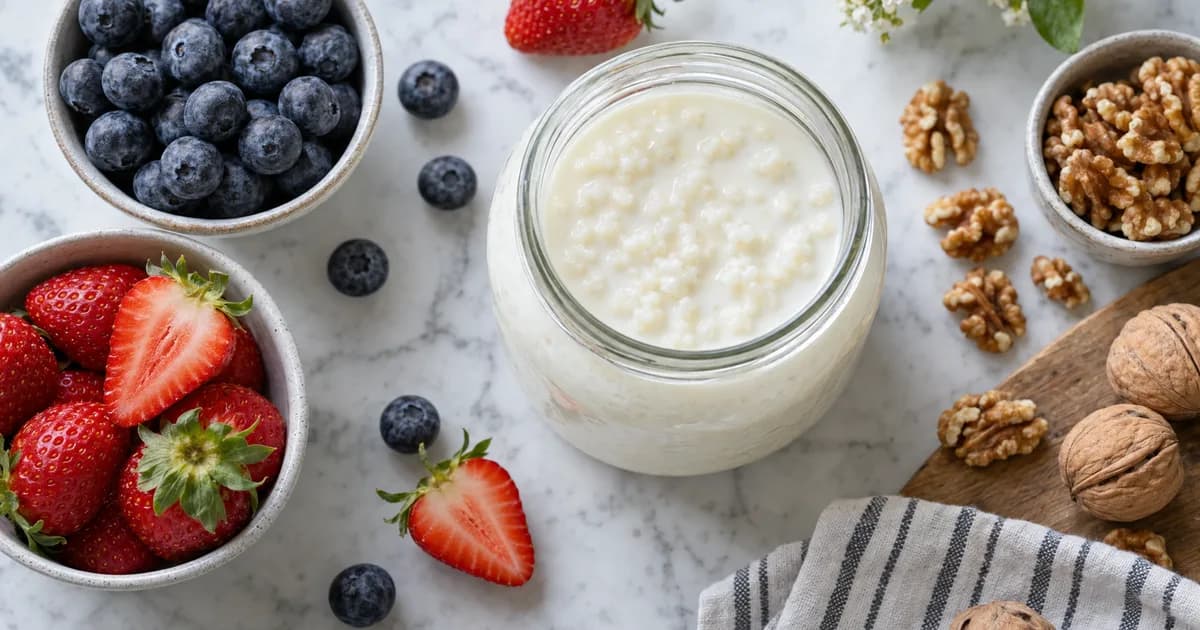
2. Eat Fermented Foods (Natural Probiotics)
Fermented foods provide live beneficial bacteria:
- Natural yogurt (unsweetened)
- Milk or water kefir
- Kimchi and sauerkraut
- Tempeh and miso
- Kombucha (in moderation)
3. Feed Your Bacteria with Prebiotics
Prebiotics are fibers that serve as food for beneficial bacteria:
- Garlic, onions and leeks
- Green bananas and asparagus
- Artichokes and chicory
- Oats and barley
4. Cut Ultra-Processed Foods and Sugar
Sugar and additives in ultra-processed foods promote the growth of harmful bacteria. Limit especially: sugary drinks, pastries and ready meals.
5. Avoid Unnecessary Antibiotics
Antibiotics eliminate both pathogenic and beneficial bacteria. Use them only when essential, and if you must take them, accompany them with high-quality probiotics.
6. Exercise Regularly
Moderate physical activity (30–45 min/day) increases microbial diversity and promotes the growth of butyrate-producing bacteria — a key short-chain fatty acid for gut health.
7. Sleep 7–9 Hours
The microbiome has its own circadian rhythm. Sleep deprivation alters bacterial composition and promotes gut inflammation.
8. Manage Stress
The gut-brain axis is bidirectional: chronic stress damages the gut barrier and disrupts the microbiome. Techniques like meditation, yoga or diaphragmatic breathing have proven positive effects.
9. Stay Well Hydrated
Water facilitates intestinal transit and fiber fermentation. Goal: 1.5–2 liters per day.
10. Know Your Microbiome Before Acting
Every person has a unique microbiome. A gut microbiome analysis like the VitalOme test by GenBiome tells you exactly which bacteria you have, in what proportions, and what personalized changes you need.
How Long Until You Notice Improvement?
Changes in the microbiome can be observed in as little as 2–4 weeks with a high-fiber, fermented-food diet. For lasting changes, experts recommend maintaining habits for at least 3–6 months.
Conclusion
Improving your microbiome doesn't require expensive supplements or extreme diets. With more plant variety, fermented foods, fewer ultra-processed items and better sleep and exercise habits, you can progressively transform your gut health. If you want to know exactly what state your microbiome is in and receive a personalized plan, the VitalOme test by GenBiome gives you concrete answers based on your real microbiome.
Want to know the state of your gut microbiome?
Analyse your gut microbiome at home with VitalOme
Over 5,000 bacterial species analysed. Results in the app in 2 weeks. Free shipping in Spain.
Order my VitalOme kit — €249