Intestinal Dysbiosis: What It Is, Symptoms and How to Treat It
Intestinal dysbiosis is the gut microbiota imbalance underlying many modern diseases. Learn to identify its symptoms and how to restore balance with scientific evidence.
What Is Intestinal Dysbiosis?
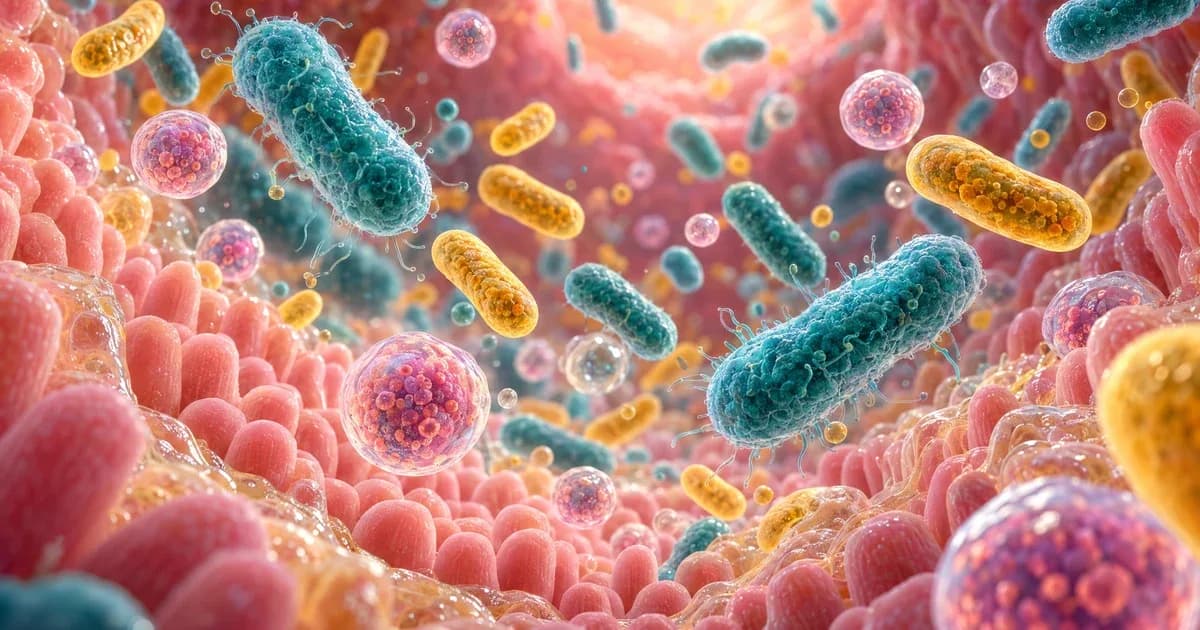
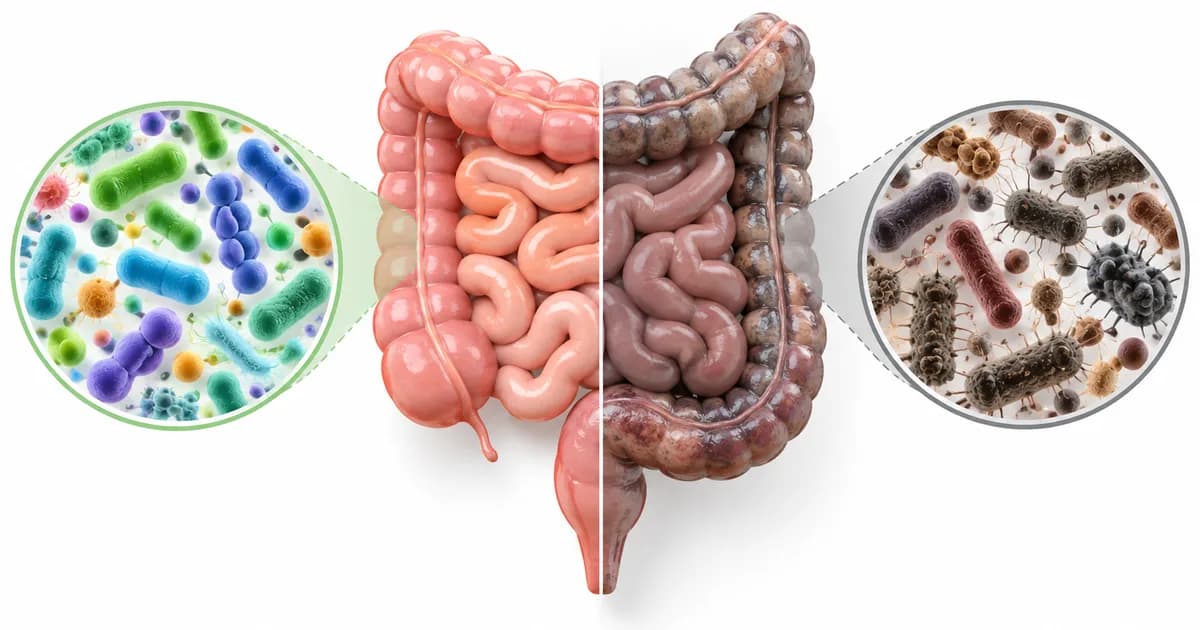
Your gut harbors approximately 38 trillion microorganisms: bacteria, fungi, viruses, and archaea that coexist in a delicate ecosystem. When that balance breaks — when beneficial bacteria decline and harmful ones proliferate — we speak of intestinal dysbiosis. The consequences go far beyond the digestive system.
Types of Intestinal Dysbiosis
1. Bacterial dysbiosis
The most common. Reduced bacterial diversity and an increase in proteolytic bacteria over beneficial fiber-fermenting bacteria like Bifidobacterium and Lactobacillus.
2. Fungal dysbiosis (intestinal Candida)
Candida albicans can overgrow — especially after antibiotic use or with high-sugar diets. Specific symptoms: intense sugar cravings, chronic fatigue, recurrent vaginal infections, brain fog, and increased intestinal permeability.
3. Diversity reduction dysbiosis
Simply having few different species. A microbiota with low diversity is less resilient and more susceptible to external changes.
Causes of Dysbiosis
- Antibiotics: a single course can reduce microbial diversity by up to 30%, with effects lasting months or years.
- Low-fiber diet: beneficial bacteria feed on plant fiber. Without it, opportunistic groups fill their niche.
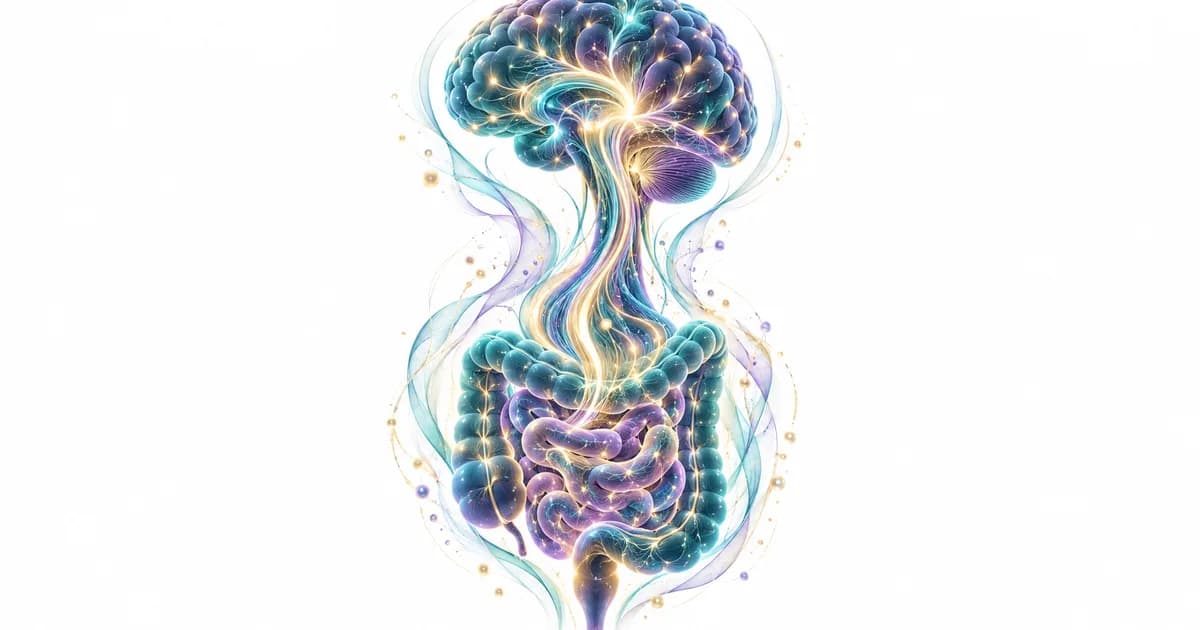
- Chronic stress: the gut-brain axis works both ways: stress modifies microbial composition through the autonomic nervous system.
- Gastrointestinal infections: gastroenteritis can trigger persistent dysbiosis lasting months after the acute infection (post-infectious IBS).
- Sedentary lifestyle: regular exercise is associated with greater microbial diversity.
- PPIs: omeprazole, pantoprazole alter gastric pH and allow bacteria to colonize the small intestine.
Symptoms of Intestinal Dysbiosis
Digestive symptoms
- Frequent abdominal bloating and distension
- Excessive gas with intense odor
- Alternating constipation and diarrhea
- Mucus in stool
- Recurring abdominal pain or discomfort
- Slow, heavy digestion
Systemic symptoms
- Chronic fatigue without apparent cause
- Brain fog: difficulty concentrating, reduced memory
- Recurrent infections (frequent colds, candidiasis)
- Skin problems: acne, eczema, psoriasis
- Joint pain without rheumatological cause
- Mood alterations: greater irritability or anxiety
How Dysbiosis Is Diagnosed
- Microbiota test (16S or metagenomic sequencing): Analyzes the DNA of microorganisms in stool. The most complete and accurate method.
- Breath test: Specifically detects SIBO, not dysbiosis in general.
- Conventional stool culture: Only detects common pathogens; not useful for overall microbiota evaluation.
How to Treat Intestinal Dysbiosis
1. Increase plant diversity
The American Gut Project showed that people who consume more than 30 different types of plants per week have a significantly more diverse microbiota.
2. Specific probiotics by dysbiosis type
- General bacterial dysbiosis: Lactobacillus acidophilus, Bifidobacterium longum
- Post-antibiotic dysbiosis: Saccharomyces boulardii has the strongest evidence
- Intestinal candidiasis: reduce sugar and refined carbohydrates first
3. Prebiotics to feed beneficial bacteria
Inulin, FOS, and resistant starch have the most evidence for promoting Bifidobacterium and Lactobacillus growth. Found in chicory, artichokes, green banana, and oats.
Knowing exactly what type of dysbiosis you have changes the treatment
The VitalOme Test analyzes your microbiota with next-generation sequencing. It tells you which bacteria you have in excess, which are missing, your diversity level, and if there are signs of fungal dysbiosis. With that map, our specialists design a personalized protocol.
Home sample → results in 2 weeks → action plan.
Order my VitalOme Test — €249FAQ
Does dysbiosis go away on its own?
In mild cases it may improve. But in most cases, without active intervention, it tends to persist or worsen.
Can I have dysbiosis without digestive symptoms?
Yes. Many people with documented dysbiosis only present systemic symptoms: fatigue, brain fog, skin problems, or mood changes.
Are home microbiota tests reliable?
DNA sequencing-based tests (like VitalOme) are highly accurate for identifying bacterial composition.
Want to know the state of your gut microbiome?
Analyse your gut microbiome at home with VitalOme
Over 5,000 bacterial species analysed. Results in the app in 2 weeks. Free shipping in Spain.
Order my VitalOme kit — €249