What Is the Gut Microbiome: The Complete Guide Nobody Gave You
Everything you need to know about the gut microbiome: what it is, what it does, how it affects your health, and what happens when it gets out of balance.
What Is the Gut Microbiome
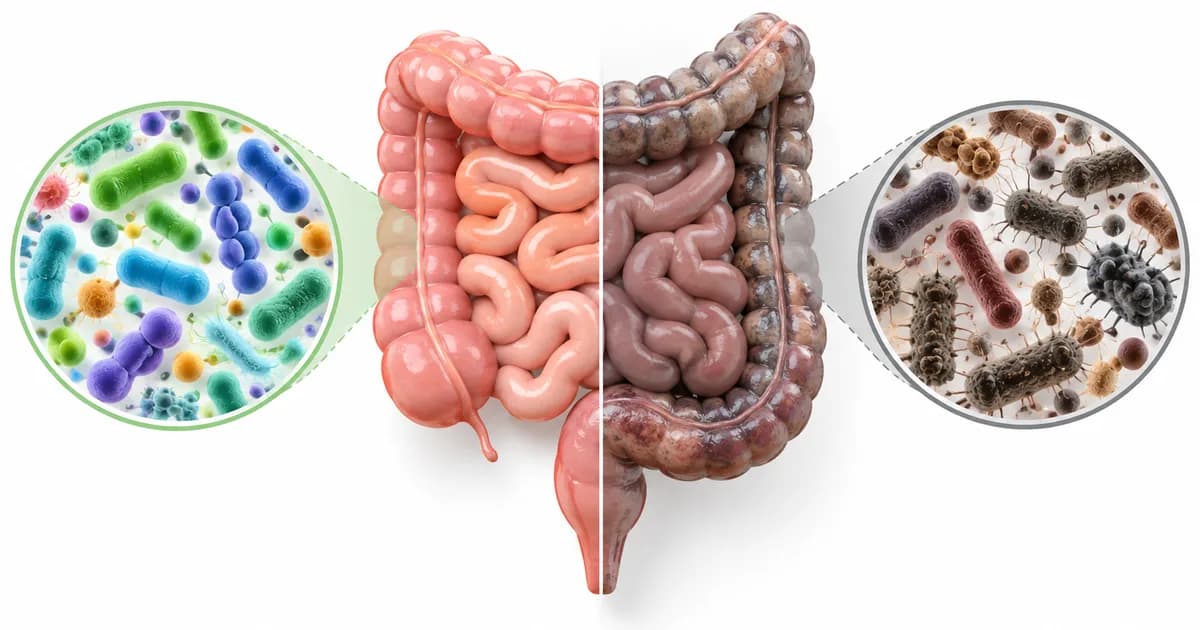
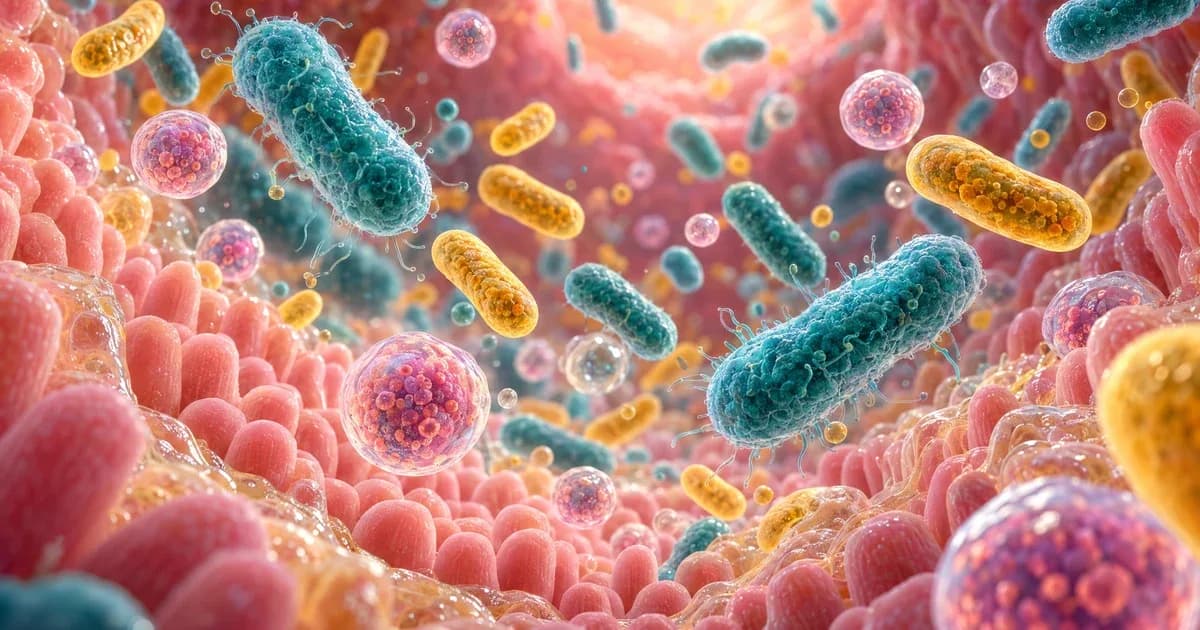
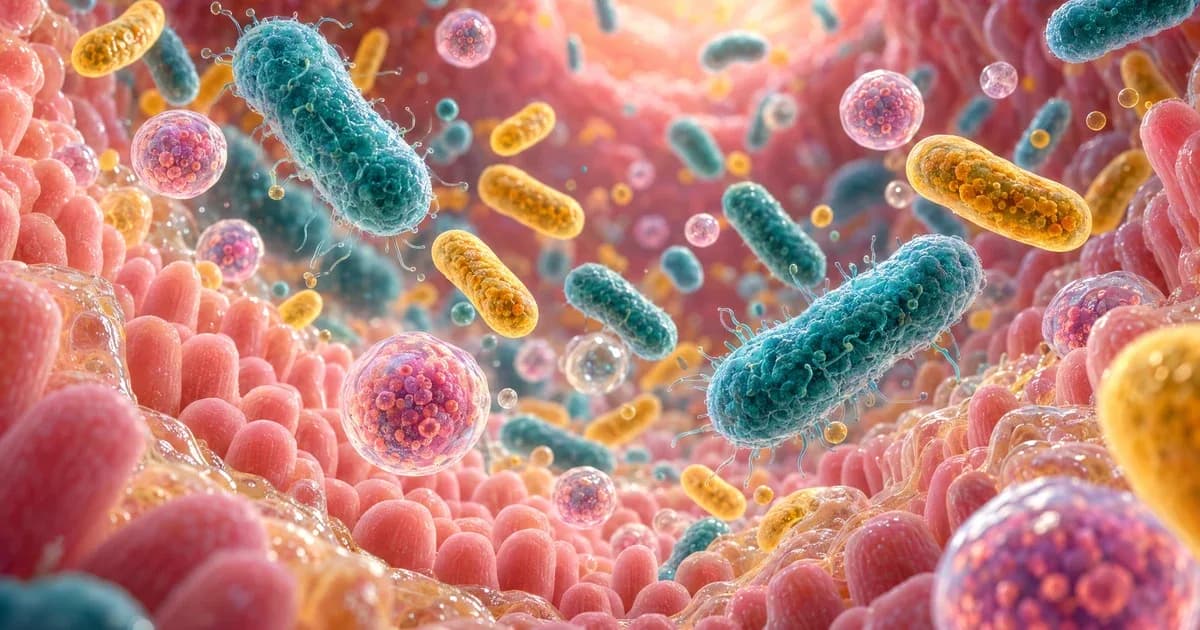
The gut microbiome is the collection of all microorganisms living in our digestive tract: 38 trillion microorganisms weighing 1.5–2 kg with 150 times more genes than the human genome.
What Does the Gut Microbiome Do?
- Digestion: ferments fiber, produces short-chain fatty acids that nourish gut cells
- Immunity: 70-80% of immune cells live in the gut; microbiome trains them
- Brain connection: 90% of serotonin is produced in the gut
- Vitamins: synthesizes K2, B vitamins, and biotin
What Is Dysbiosis?
When the microbiome loses balance—in composition or diversity—we call it dysbiosis. It's linked to IBS, obesity, diabetes, depression, and allergies.
The VitalOme test identifies over 5,000 microbial species and analyzes 17 health areas to show exactly what's happening in your gut.
Frequently asked questions
What is the gut microbiota?
The gut microbiota is the ecosystem of microorganisms — bacteria, viruses, fungi and archaea — that live in the digestive tract, especially in the large intestine. Each person harbours between 500 and 1,000 different species, with a total of 38 trillion microorganisms weighing between 1 and 2 kg.
What is the gut microbiota for?
The microbiota performs essential functions: it synthesizes vitamins (B12, K2), protects against pathogens, trains the immune system (responsible for 70% of defences), regulates metabolism, produces neurotransmitters such as serotonin and keeps the intestinal barrier intact.
How many bacteria are in the intestine?
Around 38 trillion bacteria, a figure that exceeds the number of human cells in the body. The large intestine concentrates between 10¹¹ and 10¹² bacteria per millilitre of intestinal content.
What is the difference between microbiota and microbiome?
The microbiota is the living microorganisms. The microbiome includes those microorganisms plus all their collective genetic material. In practice they are used as synonyms, although technically the microbiome is broader.
What factors alter the gut microbiota?
The main ones are: antibiotics (they eliminate beneficial bacteria), a diet low in fibre and rich in ultra-processed foods, chronic stress, alcohol, tobacco, lack of sleep and caesarean birth in babies. With age, microbial diversity also tends to decrease.
How do I know if my microbiota is altered?
The most common symptoms are frequent abdominal bloating, gas, changes in bowel movements, fatigue without an apparent cause, recurrent infections, skin problems and mood changes. To confirm it objectively, there is a gut microbiota test.
How can I improve my gut microbiota?
Increase varied fibre (legumes, vegetables, fruit), include fermented foods (kefir, natural yoghurt, sauerkraut), reduce ultra-processed foods and sugar, manage stress, sleep 7-9 hours and exercise regularly. If you have confirmed dysbiosis, a specialist can guide a precise intervention.
How can the gut microbiota be analysed at home?
With a microbiota test such as VitalOme: you send a stool sample using the kit you receive at home, the laboratory sequences the bacterial DNA and you receive a detailed report in the app in approximately 2 weeks, with more than 5,000 species analysed and personalised recommendations.
Want to know the state of your gut microbiome?
Analyse your gut microbiome at home with VitalOme
Over 5,000 bacterial species analysed. Results in the app in 2 weeks. Free shipping in Spain.
Order my VitalOme kit — €249