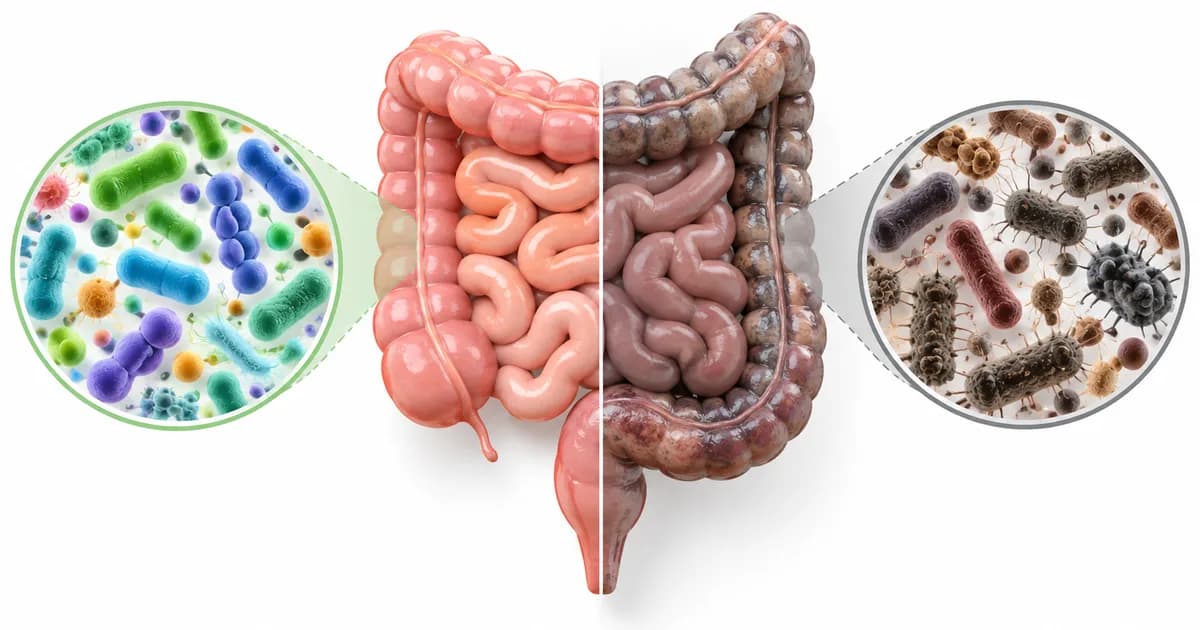
Microbiome and Immune System: Why 70% of Your Defenses Live in Your Gut
The science behind the relationship between gut microbiome and immunity. How your gut flora balance determines the strength of your immune defenses.
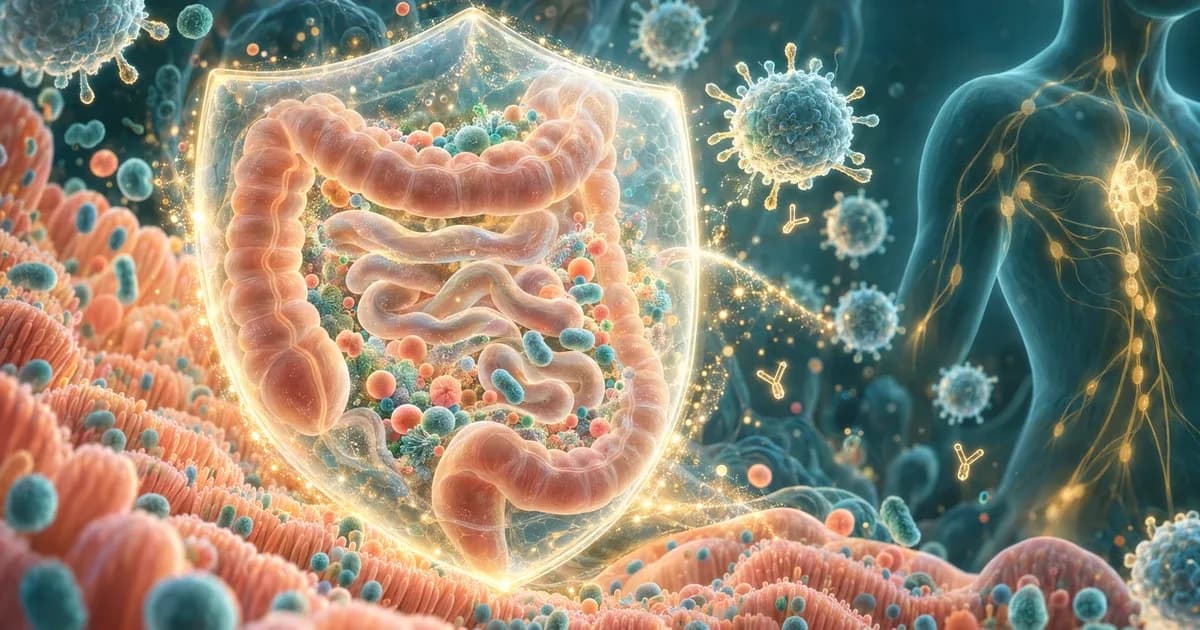
Microbiome and Immune System
70-80% of your immune cells live in your gut, and they depend directly on your gut bacteria to function properly.
The GALT: Largest Immune Organ
The gut houses the GALT (Gut-Associated Lymphoid Tissue), including Peyer's patches that monitor gut contents, dendritic cells that decide whether to trigger immune responses, T and B lymphocytes, NK cells, and IgA-secreting cells (the most abundant antibody in the body).
How the Microbiome Trains Immunity
- Immune tolerance: distinguishing between beneficial bacteria and true pathogens — learned in early life, microbiome-dependent. Failure → autoimmune disease, allergies
- Inflammation control: healthy microbiome favors regulatory T cells (Treg) that brake excessive inflammation
- Gut barrier: beneficial bacteria maintain the mucus layer; when it fails («leaky gut») → systemic low-grade inflammation linked to obesity, diabetes, depression
Signs Your Microbiome May Be Affecting Your Immunity
- Frequent colds (3-4+ per year)
- Slow wound healing
- Recurring urinary or vaginal infections
- Worsening allergies
- Unexplained chronic fatigue
- Chronic skin conditions (eczema, psoriasis, rosacea)
The VitalOme test includes specific gut immunity markers: inflammation index, intestinal permeability indicators, and evaluation of key immune-relevant bacteria including Akkermansia muciniphila, Faecalibacterium prausnitzii, and Bifidobacterium longum.
Want to know the state of your gut microbiome?
Analyse your gut microbiome at home with VitalOme
Over 5,000 bacterial species analysed. Results in the app in 2 weeks. Free shipping in Spain.
Order my VitalOme kit — €249