Leaky Gut Syndrome: Symptoms, Causes and How to Heal It
Leaky gut syndrome can cause digestive and systemic symptoms. Discover its causes, how it's diagnosed, and what to do about it.
What Is Leaky Gut?
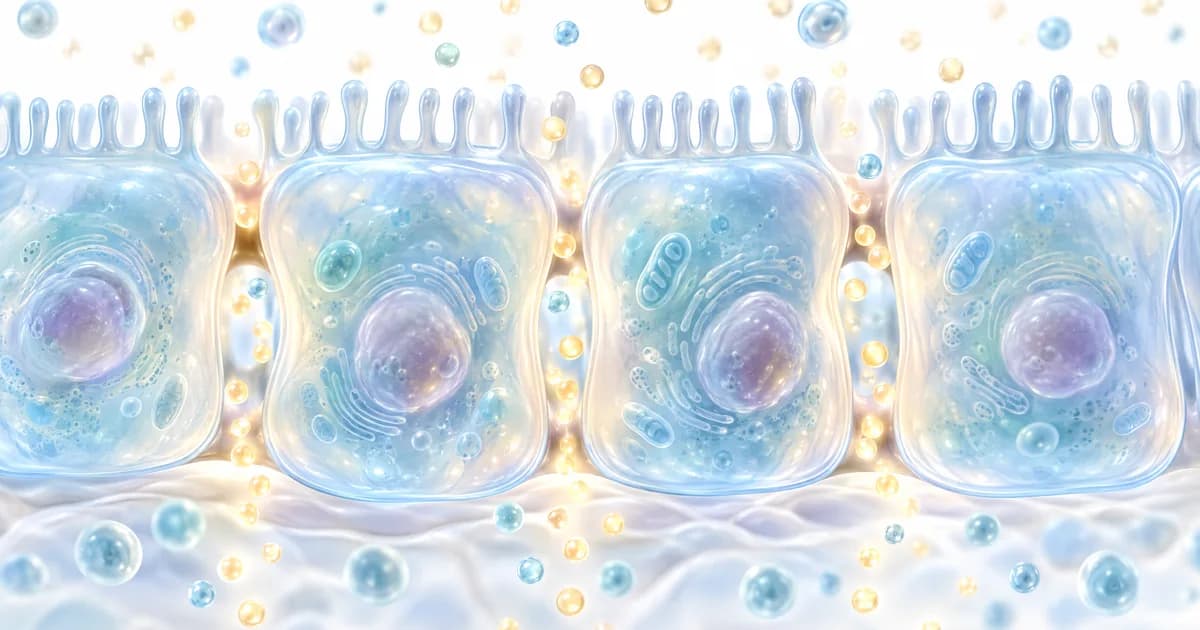
The intestinal barrier is a layer of cells (enterocytes) joined by proteins called tight junctions. Their function is to allow nutrients to pass into the bloodstream while blocking toxins, bacteria, and undigested particles.
When these tight junctions weaken, the barrier becomes porous: substances that shouldn't pass through traverse the intestinal wall and reach the bloodstream, activating a low-grade immune response. This is called intestinal hyperpermeability or, colloquially, leaky gut.
Is leaky gut real? Yes. Intestinal hyperpermeability is a scientifically documented phenomenon. The debate is about how many symptoms it causes and how many conditions it explains — there is overdiagnosis. But intestinal barrier dysfunction is real and measurable.
Leaky Gut Symptoms
Digestive Symptoms
- Persistent bloating and abdominal distension
- Diffuse abdominal pain
- Chronic diarrhea or alternating with constipation
- Frequent gas and indigestion
- Intolerance to multiple foods (that you previously tolerated)
Systemic (Extra-Digestive) Symptoms
- Unexplained chronic fatigue
- Brain fog, difficulty concentrating
- Joint or muscle pain
- Skin rashes, eczema, rosacea
- Frequent infections, low immunity
- Mood changes, anxiety, depression
Important: these symptoms are non-specific. They can have many causes. Leaky gut is not the only explanation.
Causes of Leaky Gut
Gut Dysbiosis
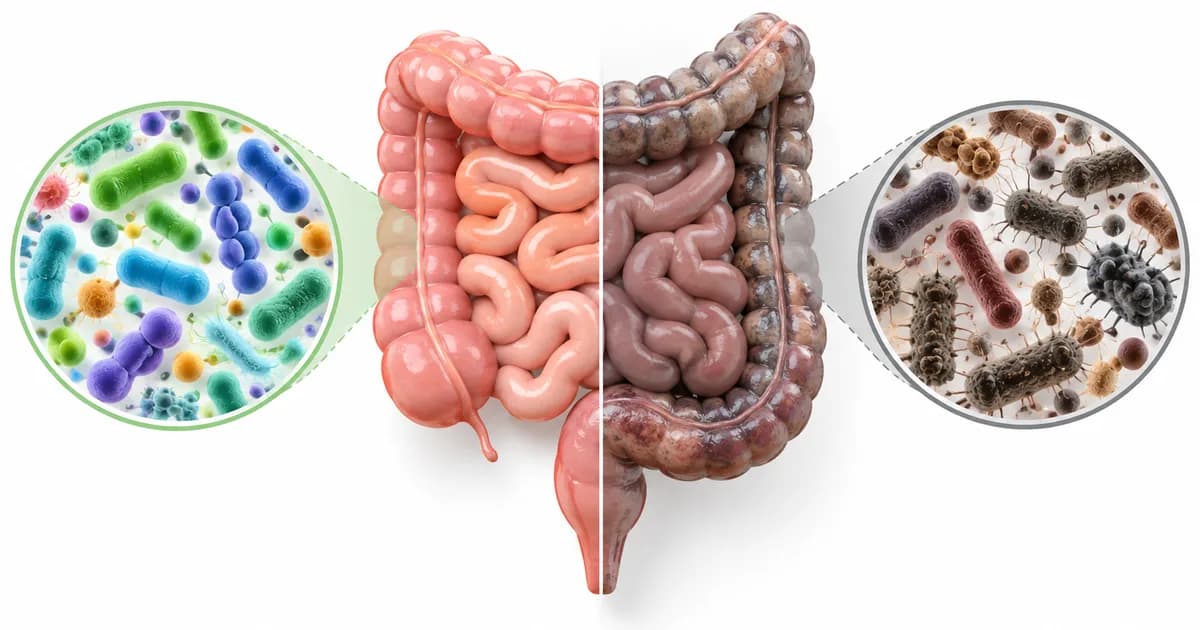
Microbiota imbalance is the most frequent cause. Protective bacteria like Lactobacillus, Bifidobacterium, and Akkermansia muciniphila maintain barrier integrity. When they're scarce, the barrier weakens.
Ultra-Processed Diet
Emulsifiers (carrageenan, polysorbate 80), artificial sweeteners, and lack of fiber damage the intestinal mucosa and disrupt the microbiota.
NSAIDs (Anti-inflammatory Drugs)
Ibuprofen and similar drugs increase intestinal permeability with frequent use, even at standard doses.
Chronic Stress
Excess cortisol reduces protective mucus production and weakens tight junctions through the gut-brain axis.
Alcohol
Ethanol and its metabolites directly damage the intestinal epithelium and promote overgrowth of gram-negative endotoxin-producing bacteria.
Other Documented Causes
- Broad-spectrum antibiotics (repeated use)
- Previous gastrointestinal infections
- Inflammatory bowel diseases (Crohn's, ulcerative colitis)
- Untreated celiac disease
How Is It Diagnosed?
There's no universal standard test. The most used:
- Zonulin test in blood or stool: zonulin is a protein that regulates tight junctions; elevated levels suggest increased permeability
- Lactulose/mannitol urine test: measures how many non-absorbable sugars cross the barrier (gold standard in research)
- Microbiota analysis: detects bacterial imbalance that's often the underlying cause
How to Heal Leaky Gut
1. Restore Your Microbiota
Without a balanced microbiota, there's no healthy intestinal barrier. Protective bacteria produce short-chain fatty acids (butyrate, propionate) that nourish enterocytes and strengthen tight junctions.
2. Anti-inflammatory, Fiber-Rich Diet
- Increase vegetables, legumes, fruits, whole grains
- Eliminate ultra-processed foods, added sugar, alcohol
- Prioritize fermented foods: kefir, sauerkraut, kimchi
- If you have SIBO, follow specific protocol first
3. Evidence-Based Supplements
- L-glutamine (5-10g/day): enterocyte fuel, reinforces tight junctions
- Zinc carnosine: accelerates mucosal repair
- Specific probiotics: Lactobacillus rhamnosus GG, Akkermansia muciniphila
- Vitamin D: regulates tight junction proteins
4. Reduce Stress
Mindfulness techniques, regular moderate exercise, and adequate sleep reduce cortisol and improve barrier function.
Why Is Analyzing the Microbiota Important?
Gut dysbiosis is the most frequent cause of leaky gut, and microbiota analysis is the only way to precisely identify which bacteria are missing or in excess in your case. Without that information, supplements and dietary changes are trial and error.
The VitalOme test analyzes your microbiota in detail and tells you which bacterial genera are imbalanced, so you can act with precision instead of experimenting blindly.
Frequently Asked Questions
Does leaky gut cause autoimmune diseases?
There's evidence of association (many autoimmune patients have increased permeability), but the causal relationship isn't fully established. It's an active area of research.
Can leaky gut be cured?
Yes. The intestinal barrier fully regenerates in 3-5 days under ideal conditions. With the right interventions (diet, microbiota, stress reduction), many patients notice improvements in 4-8 weeks.
What foods should I avoid with leaky gut?
Ultra-processed foods, refined sugar, alcohol, foods rich in emulsifiers, and if sensitivity is detected, temporarily gluten and dairy.
Want to know the state of your gut microbiome?
Analyse your gut microbiome at home with VitalOme
Over 5,000 bacterial species analysed. Results in the app in 2 weeks. Free shipping in Spain.
Order my VitalOme kit — €249