Intestinal Gas: Why You Have It and How to Actually Get Rid of It
Intestinal gas affects 30% of the population. Discover the real causes —from gut microbiota to FODMAP foods— and the most effective strategies to eliminate them.
Why Do We Get Intestinal Gas?
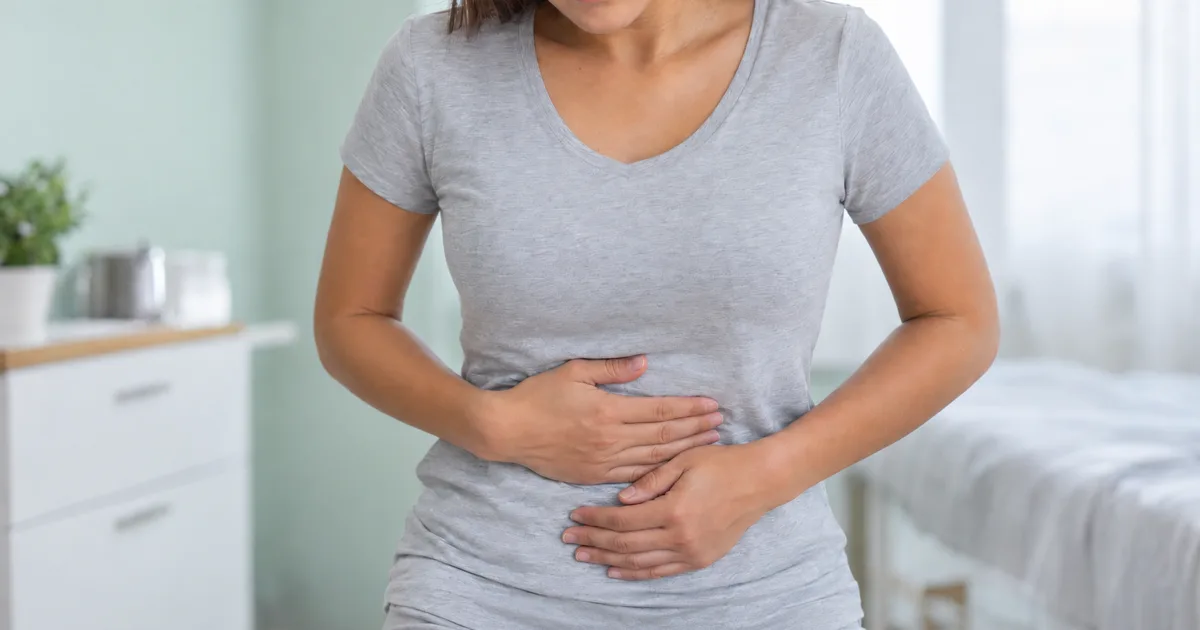
Intestinal gas is a completely normal biological reality: we produce between 500 ml and 2,000 ml of gas per day and expel it an average of 14 times. The problem arises when the quantity spikes, the odor becomes unbearable, or it's accompanied by pain and abdominal bloating.
The 5 Main Causes of Intestinal Gas
1. Unbalanced bacterial fermentation
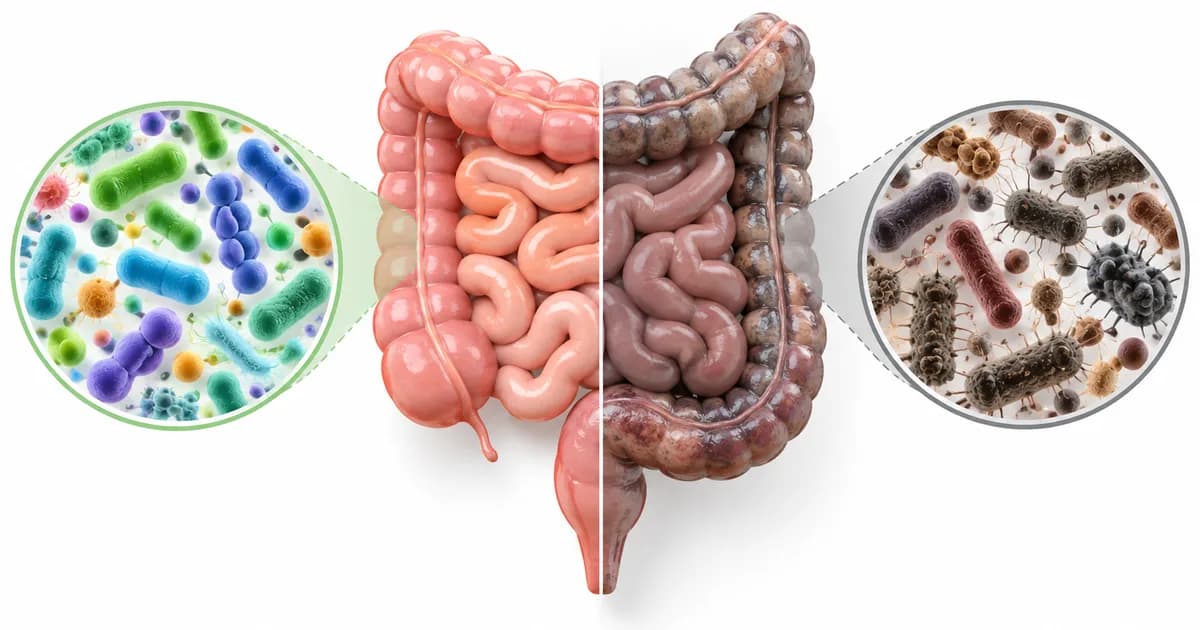
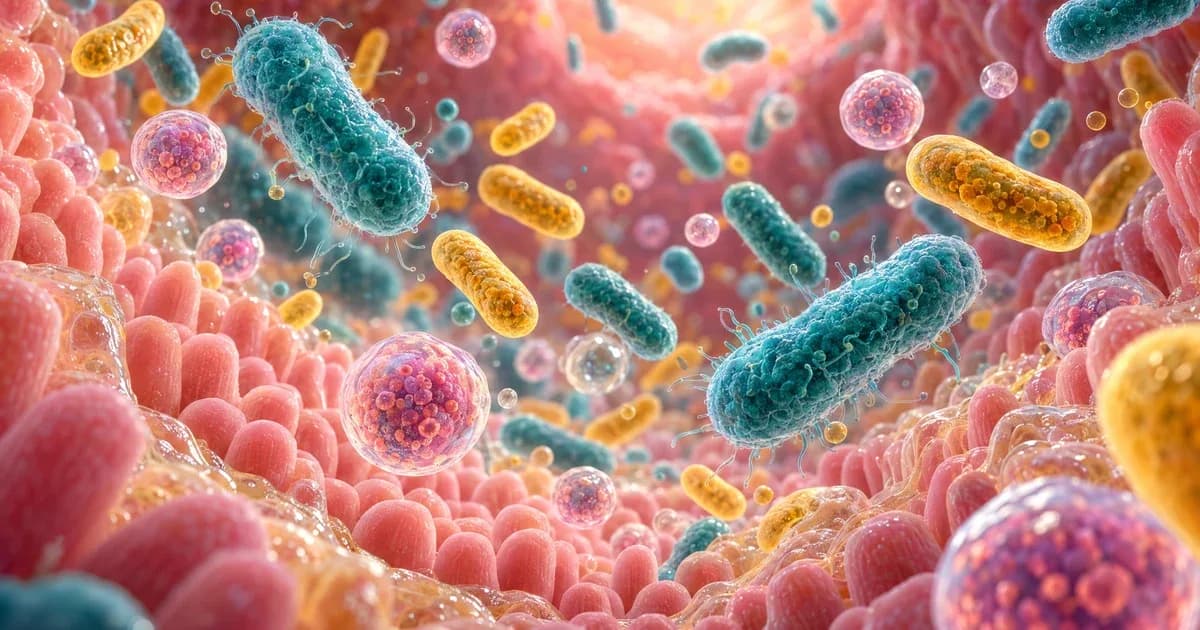
Your gut harbors trillions of bacteria that ferment carbohydrates your small intestine can't digest. When the gut microbiota is unbalanced (dysbiosis), certain bacterial groups become dominant and produce excessive amounts of hydrogen, methane, and hydrogen sulfide — the ones responsible for the smell. According to a study in Gut (2016), people with intestinal dysbiosis produce 30-60% more methane gas than those with a healthy microbiota.
2. FODMAP-rich foods
FODMAPs are short-chain carbohydrates that ferment rapidly in the colon:
| Group | Most problematic foods | Low-FODMAP alternatives |
|---|---|---|
| Legumes | Chickpeas, lentils, beans | Red lentils, firm tofu |
| Vegetables | Onion, garlic, broccoli, cauliflower | Carrot, cucumber, spinach, tomato |
| Fruits | Apple, pear, mango, cherries | Strawberries, orange, grapes, kiwi |
| Dairy | Milk, lactose yogurt | Lactose-free milk, hard cheese, kefir |
| Grains | Wheat, rye, barley | Rice, oats, quinoa |
3. SIBO (Small Intestinal Bacterial Overgrowth)
When bacteria that should be in the colon migrate to the small intestine, they ferment carbohydrates prematurely. The result is massive gas production causing severe bloating after eating, even with small amounts. SIBO is estimated to be present in 30-85% of IBS patients.
4. Aerophagia (swallowing air)
Eating quickly, drinking through a straw, chewing gum, or talking while eating introduces large amounts of air into the digestive system. Some passes into the intestine.
5. Undiagnosed food intolerance
Lactose intolerance and non-celiac gluten sensitivity are two of the most underestimated causes.
How to Eliminate Gas: Evidence-Based Strategies
Short-term relief
- Physical movement: Walking 15-20 minutes after eating activates peristalsis.
- Left-side lying position: Favors gas movement toward the descending colon.
- Peppermint tea: Menthol relaxes intestinal muscles and facilitates gas expulsion.
- Abdominal heat: A hot water bottle reduces intestinal spasms.
Long-term: addressing the root cause
- Low-FODMAP diet (4-8 weeks): Dramatically reduces fermentation substrate.
- Eating slowly: Chewing 20-30 times per bite reduces swallowed air.
- Specific probiotics: Lactobacillus rhamnosus and Bifidobacterium longum have been shown to reduce gas in controlled studies.
Frequent gas? Your microbiota may be behind it
The VitalOme Test analyzes more than 5,000 bacterial species in your gut and reveals exactly which bacteria are causing your excessive fermentation. Done from home, results in 2 weeks.
Order my VitalOme Test — €249FAQ
Is it normal to have gas every day?
Yes. Producing gas is a normal digestive function. The problem is when the quantity, smell, or pain is disproportionate or affects your quality of life.
Does activated charcoal eliminate gas?
It can reduce already-formed gas, but doesn't address the root cause. Prolonged use interferes with medication and nutrient absorption.
Is the low-FODMAP diet forever?
No. It's applied for 4-8 weeks then foods are gradually reintroduced to identify which ones are specifically problematic for you.
Want to know the state of your gut microbiome?
Analyse your gut microbiome at home with VitalOme
Over 5,000 bacterial species analysed. Results in the app in 2 weeks. Free shipping in Spain.
Order my VitalOme kit — €249