Abdominal Pain After Eating: Causes and How to Relieve It
Do you feel abdominal pain after eating? Discover the most common causes — IBS, SIBO, intolerances, dysbiosis — and how to identify which one is yours.

Why Does Your Abdomen Hurt After Eating?
Postprandial abdominal pain — pain that appears during or shortly after eating — is one of the most common digestive symptoms. It affects 30-40% of the population at some point and has very different causes, from eating too fast to conditions like SIBO, irritable bowel syndrome, or food intolerances.
The key to treating it is identifying when it appears, where it's located, and what makes it better or worse.
Most Common Causes of Abdominal Pain After Eating
1. Irritable Bowel Syndrome (IBS)
The most common cause. Pain improves after defecation, is accompanied by changes in bowel habits (diarrhea, constipation, or alternating), and worsens with stress. Affects 10-15% of the population.
- Cramping pain in the lower abdomen
- Frequent bloating and gas
- Sensation of incomplete evacuation
2. SIBO (Small Intestinal Bacterial Overgrowth)
Bacteria that should live in the colon colonize the small intestine and ferment carbohydrates before absorption. The result: pain, bloating, and intolerance to many foods.
- Pain appearing 30-90 minutes after eating
- Bloating that progresses throughout the day
- Excessive gas, frequent belching
3. Lactose Intolerance
Lactase deficiency prevents digestion of milk lactose. Symptoms appear 30 minutes to 2 hours after consuming dairy products: cramping pain, diarrhea, and flatulence.
4. Gluten Intolerance / Non-Celiac Sensitivity
Undiagnosed celiac disease and non-celiac gluten sensitivity produce abdominal pain, bloating, and abnormal stools after consuming wheat, rye, or barley. Celiac disease affects 1% of the population, but many cases remain undiagnosed.
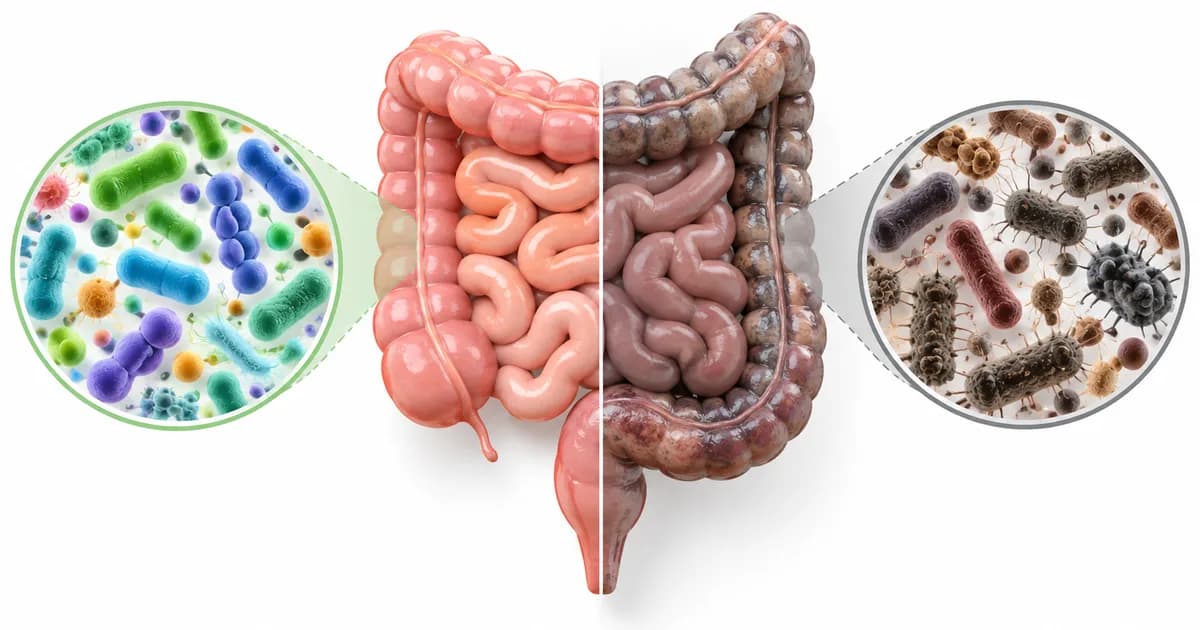
5. Gut Dysbiosis
An imbalance in the gut microbiota can disrupt motility, increase intestinal permeability, and generate low-grade inflammation. The result is diffuse, irregular pain that's difficult to associate with a specific food.
6. Functional Dyspepsia
Pain or discomfort in the upper abdomen (epigastrium) without identifiable organic cause. Related to visceral hypersensitivity and alterations in gastric motility.
7. Gastritis and Peptic Ulcer
Inflammation of the stomach lining produces burning pain in the epigastrium. Duodenal ulcers paradoxically improve with food; gastric ulcers worsen. Helicobacter pylori causes 70-80% of duodenal ulcers.
When Pain Appears: A Key Clue
| Time After Eating | Most Likely Cause |
|---|---|
| Immediate (< 15 min) | Gastritis, gastric ulcer, reflux |
| 30-90 minutes | SIBO, lactose intolerance, dyspepsia |
| 1-3 hours | IBS, gluten intolerance, dysbiosis |
| Variable, no clear pattern | Dysbiosis, leaky gut, stress |
Where the Pain Is Located
- Epigastrium (upper center): gastritis, ulcer, reflux, dyspepsia
- Mesogastrium (middle): SIBO, small intestine
- Hypogastrium / flanks (lower): IBS, colon, gluten intolerance
- Diffuse, no clear location: dysbiosis, leaky gut, IBS
What to Do If You Have Abdominal Pain After Eating
Step 1: Keep a Food Diary
Note what you eat, when pain appears, its intensity, and what relieves or worsens it. Look for patterns with dairy, gluten, FODMAPs (garlic, onion, legumes), fats, or fermented foods.
Step 2: Rule Out Basic Intolerances
Eliminate lactose for 2 weeks and observe improvement. If yes, you have an orientative result (confirm with hydrogen breath test). Same approach with gluten.
Step 3: Analyze Your Microbiota
Postprandial pain without a clear cause frequently originates in the microbiota: dysbiosis, SIBO, or increased intestinal permeability. Microbiota analysis identifies imbalances that no blood test can detect.
The VitalOme test analyzes over 500 bacterial genera and tells you exactly where the imbalances are in your specific case.
Step 4: Consult Your Doctor
If pain is severe, recurrent, or accompanied by weight loss, blood in stools, or fever, consult without delay. These are warning signs requiring diagnostic tests.
Foods That Often Trigger Pain
- High-FODMAP: garlic, onion, legumes, apple, pear, watermelon — ferment quickly and generate gas
- Saturated fats: slow gastric emptying and increase visceral sensitivity
- Gluten: in celiacs and non-celiac sensitives
- Lactose: in intolerant individuals
- Alcohol: irritates the intestinal mucosa and disrupts microbiota
- Sweeteners (sorbitol, maltitol): non-absorbable, ferment in the colon
Frequently Asked Questions
Is it normal to have abdominal pain after eating?
Mild, occasional pain can be normal (active digestion, gas). But if it's frequent, intense, or interferes with your life, there's a cause to identify and treat.
Can stress cause abdominal pain after eating?
Yes. The gut-brain axis directly connects the nervous system with the digestive tract. Chronic stress disrupts motility, increases visceral sensitivity, and can modify the microbiota.
Can abdominal pain be a sign of something serious?
Most cases are functional (IBS, intolerance, dysbiosis). But severe, sudden pain with blood in stools, fever, or unexplained weight loss requires urgent medical evaluation.
The VitalOme test identifies the microbiota imbalances that may be causing your postprandial pain, so you stop trying diets blindly.
Want to know the state of your gut microbiome?
Analyse your gut microbiome at home with VitalOme
Over 5,000 bacterial species analysed. Results in the app in 2 weeks. Free shipping in Spain.
Order my VitalOme kit — €249