


SIBO: What It Is, Symptoms and How to Restore Your Gut Microbiome
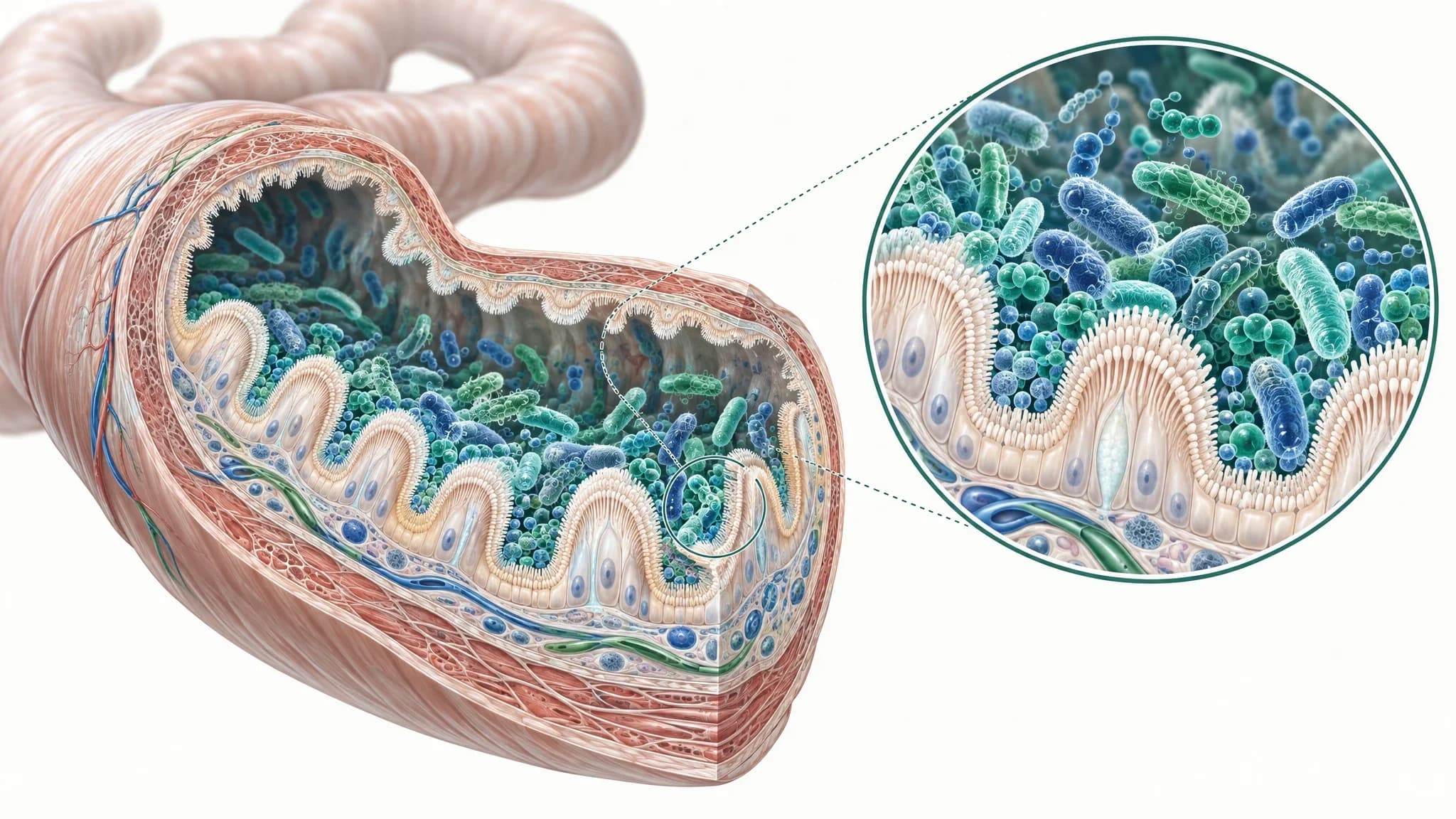
SIBO has been on the lips of nutritionists, gastroenterologists and people who have spent months without understanding why they feel so bloated after eating, why they have endless gas, or why they feel tired for no apparent reason. And it's not a fad: it's a real, science-backed condition that affects a significant percentage of people with chronic digestive discomfort.
In this article we explain what SIBO is, its most common symptoms, why it happens and the role gut microbiota plays both in its onset and in recovery.
What is SIBO?
SIBO stands for Small Intestinal Bacterial Overgrowth — the abnormal overgrowth of bacteria in the small intestine. It occurs when bacteria that normally live at low concentrations in the small intestine proliferate abnormally, disrupting the balance of the digestive ecosystem.
What makes SIBO especially complicated is that no single bacterium is involved: it can be dozens of different species that, under normal conditions, live in the colon (large intestine). When they migrate to or proliferate in the small intestine, where the environment is very different, they produce gas by fermenting the carbohydrates we eat before they can be absorbed properly.
These gases — mainly hydrogen, methane and, in more recently studied cases, hydrogen sulfide — are responsible for most of the symptoms.
Is it the same as gut dysbiosis?
Not exactly, although they are related. Dysbiosis is a general imbalance of the gut microbiota (it can occur in both the small and large intestine). SIBO is a specific form of dysbiosis localized in the small intestine. In other words: all SIBO implies dysbiosis, but not all dysbiosis is SIBO.
Why does SIBO occur? Main causes
The small intestine has several natural mechanisms to keep the number of bacteria living in it under control: gastric acidity, the valves that regulate the passage of intestinal content, and above all, the contractions of the migrating motor complex — a kind of "sweeping" that occurs between digestions and clears the intestine of waste and bacteria.
When any of these mechanisms fail, the risk of SIBO increases. The most frequent factors are:
- Reduced intestinal motility: conditions such as irritable bowel syndrome (IBS), diabetes, systemic sclerosis or hypothyroidism can slow intestinal movement and favor overgrowth.
- Prolonged use of proton pump inhibitors (PPIs): these medications reduce gastric acidity, one of the main natural defenses against bacteria.
- Repeated antibiotics: paradoxically, frequent antibiotic use can unbalance the microbiota and facilitate the subsequent overgrowth of certain bacteria.
- Previous abdominal surgeries: procedures such as gastric bypass or intestinal resections can alter the anatomy and favor SIBO.
- Inflammatory bowel diseases: Crohn's disease, celiac disease or chronic pancreatitis are also associated with higher risk.
SIBO symptoms: how do I know if I have it?
SIBO symptoms are very varied and are frequently confused with other digestive conditions. This is precisely why many people take months or years to receive a correct diagnosis.
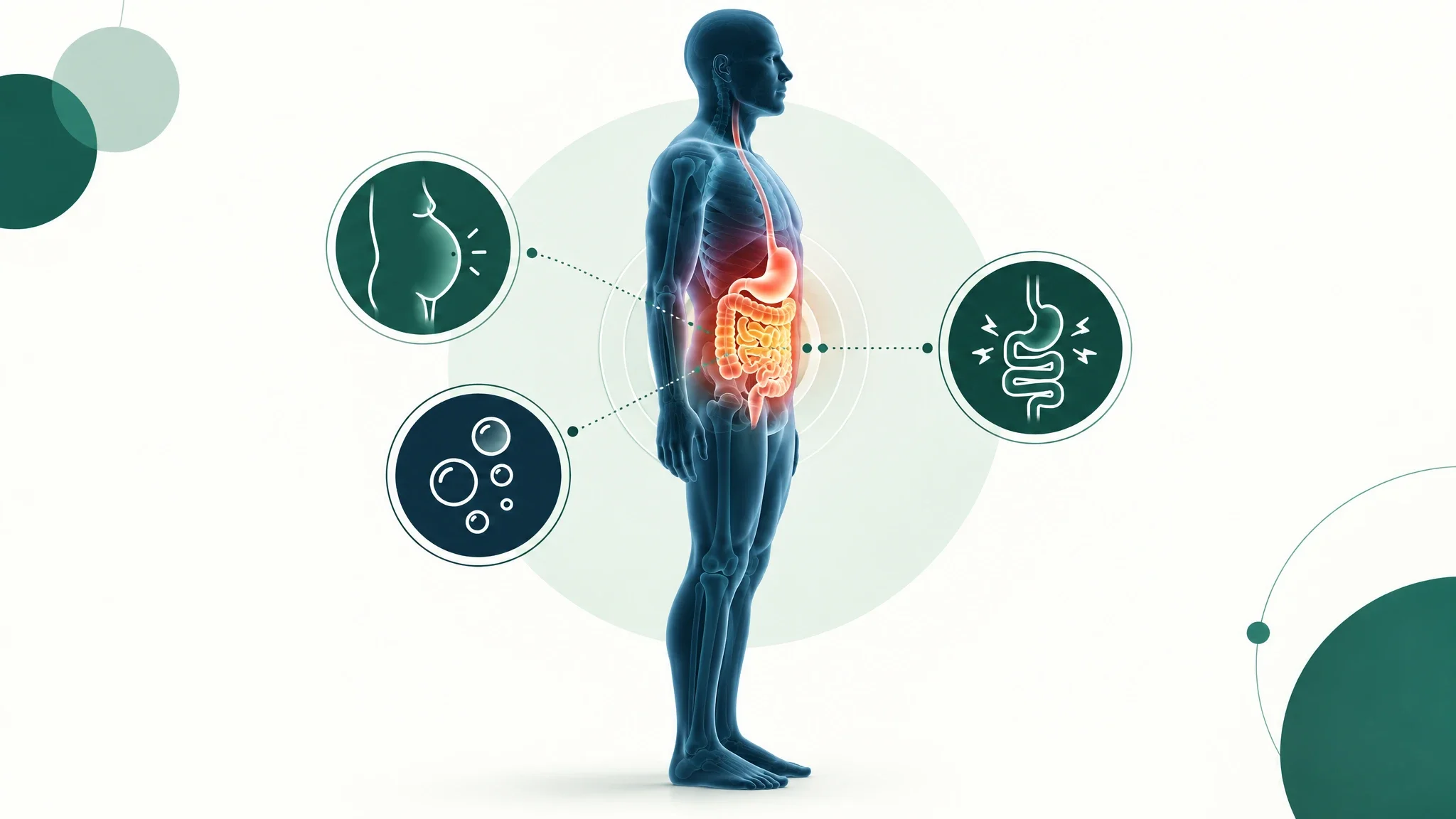
Most frequent digestive symptoms
- Postprandial abdominal bloating: the abdomen distends especially after eating, often significantly.
- Excessive gas and flatulence: bacterial fermentation produces gas that the body tries to eliminate.
- Abdominal pain or discomfort: especially after meals, cramping or pressure type.
- Changes in bowel movements: hydrogen-dominant SIBO is usually associated with diarrhea; methane-dominant (also called IMO), with constipation. Some cases alternate between the two.
- Frequent belching and a feeling of slow digestion
- Nutrient malabsorption: in more advanced cases, there may be difficulty absorbing fats, fat-soluble vitamins (A, D, E, K) and vitamin B12, which can lead to nutritional deficiencies.
Extra-intestinal symptoms
What surprises many people is that SIBO can also manifest outside the digestive system:
- Chronic fatigue and lack of energy: nutrient malabsorption and low systemic inflammation contribute to persistent tiredness.
- Brain fog: difficulty concentrating, scattered memory, a "cloudy head" feeling.
- Skin problems: some research has linked SIBO with rosacea, acne and eczema, possibly through the gut-skin axis.
- Non-specific joint or muscle pain
- Low mood: through the gut-brain axis, microbiota imbalance can influence serotonin levels and mood.
SIBO and gut microbiota: the key connection
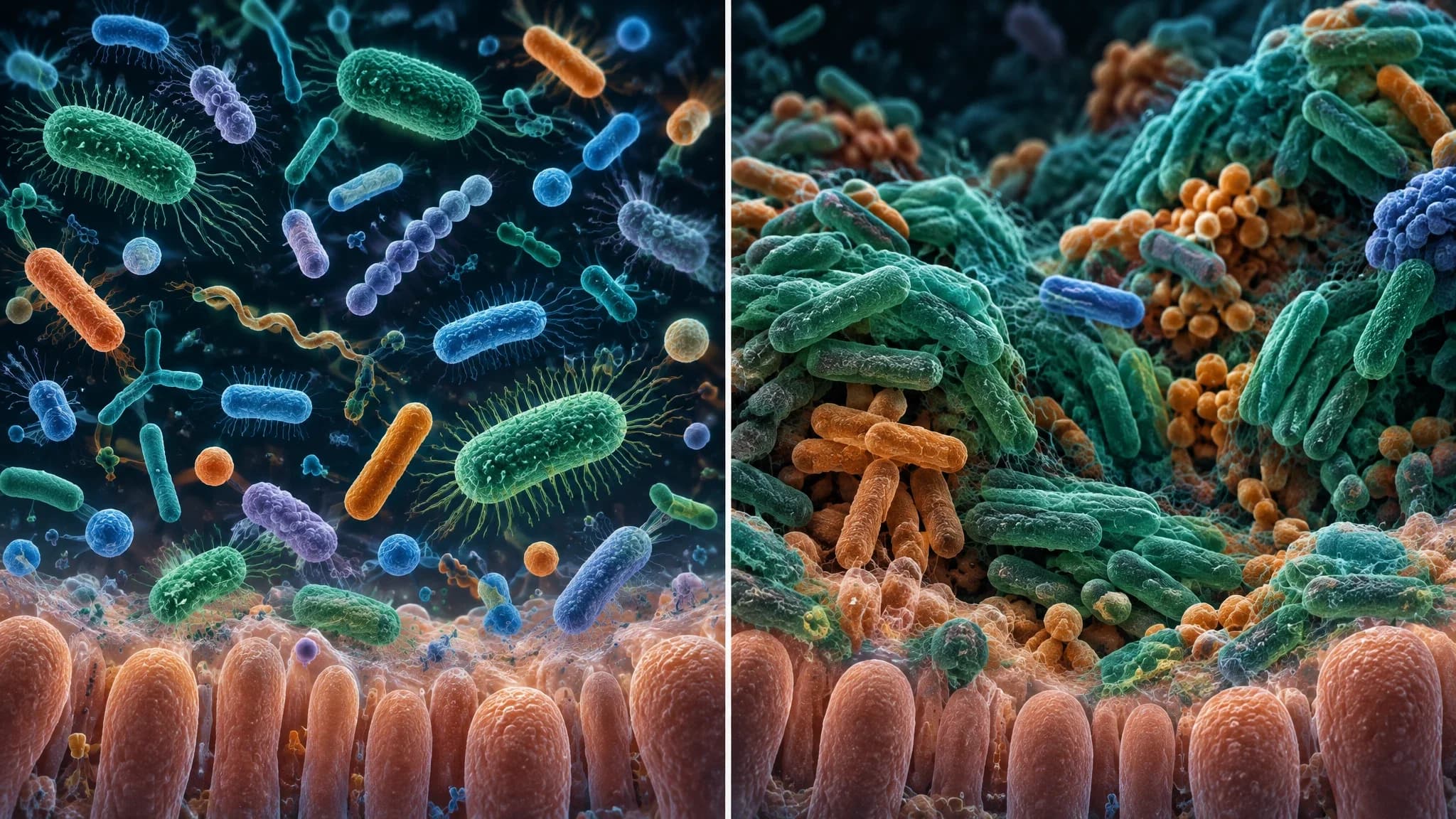
SIBO is, in essence, a microbiota problem: there are bacteria where they shouldn't be in that quantity, or at least not in those proportions. But the relationship between SIBO and gut microbiota goes both ways.
Microbiota imbalance can predispose to SIBO. A weakened microbiota — due to stress, antibiotics, ultra-processed diet or previous infections — loses its ability to compete against opportunistic bacteria that can colonize the small intestine.
SIBO, in turn, damages the microbiota. Bacterial overgrowth in the small intestine can increase intestinal permeability, generate low-grade inflammation and alter the colon ecosystem, where most beneficial bacteria live.
That's why SIBO treatment can't be limited to "killing bacteria": if you don't also work on restoring the gut microbiota, relapses are very frequent. Several studies indicate that between 40% and 80% of patients treated with antibiotics for SIBO relapse within the first year if underlying causes aren't addressed and microbial balance isn't restored.
The importance of knowing the real state of your microbiota
Given that SIBO and microbiota health are so closely linked, knowing the real composition of your gut microbiota — which bacteria you have, in what proportions and what functional capacities they have — can give you very valuable information at several stages:
- Before treatment: to understand the context of dysbiosis in which SIBO occurs.
- During recovery: to track whether the microbial ecosystem is rebalancing.
- After treatment: to confirm whether the microbiota has been restored or remains compromised, and act accordingly.
Diagnosing SIBO: the breath test and its limitations
The most widely used diagnostic method in clinical practice is the hydrogen and methane breath test. It\'s a non-invasive test: the patient ingests a lactulose or glucose solution and, over the following hours, the gases they exhale are measured. A high peak of hydrogen or methane in the early phases of the test suggests bacterial fermentation in the small intestine.
However, the breath test has limitations acknowledged by the scientific community:
- Variable sensitivity and specificity: the cutoff points for considering a result positive aren't fully standardized.
- False positives: rapid intestinal transit can make gases reach the colon earlier than expected, simulating SIBO.
- False negatives: it doesn't detect all types of SIBO, especially the one associated with hydrogen sulfide.
- Requires strict preparation: prior fasting, dietary restrictions and stopping probiotics and antibiotics, which makes it hard to standardize in practice.
The diagnostic "gold standard" would be culture of jejunal aspirate (a direct sample of the small intestine), but it's an invasive test requiring endoscopy and is rarely used.
For all these reasons, SIBO should always be diagnosed in the context of a complete clinical assessment by a healthcare professional, integrating symptoms, history and test results.
Treating SIBO: a comprehensive approach
The most effective SIBO treatment is the one that addresses all the factors involved, not just the overgrowth itself.
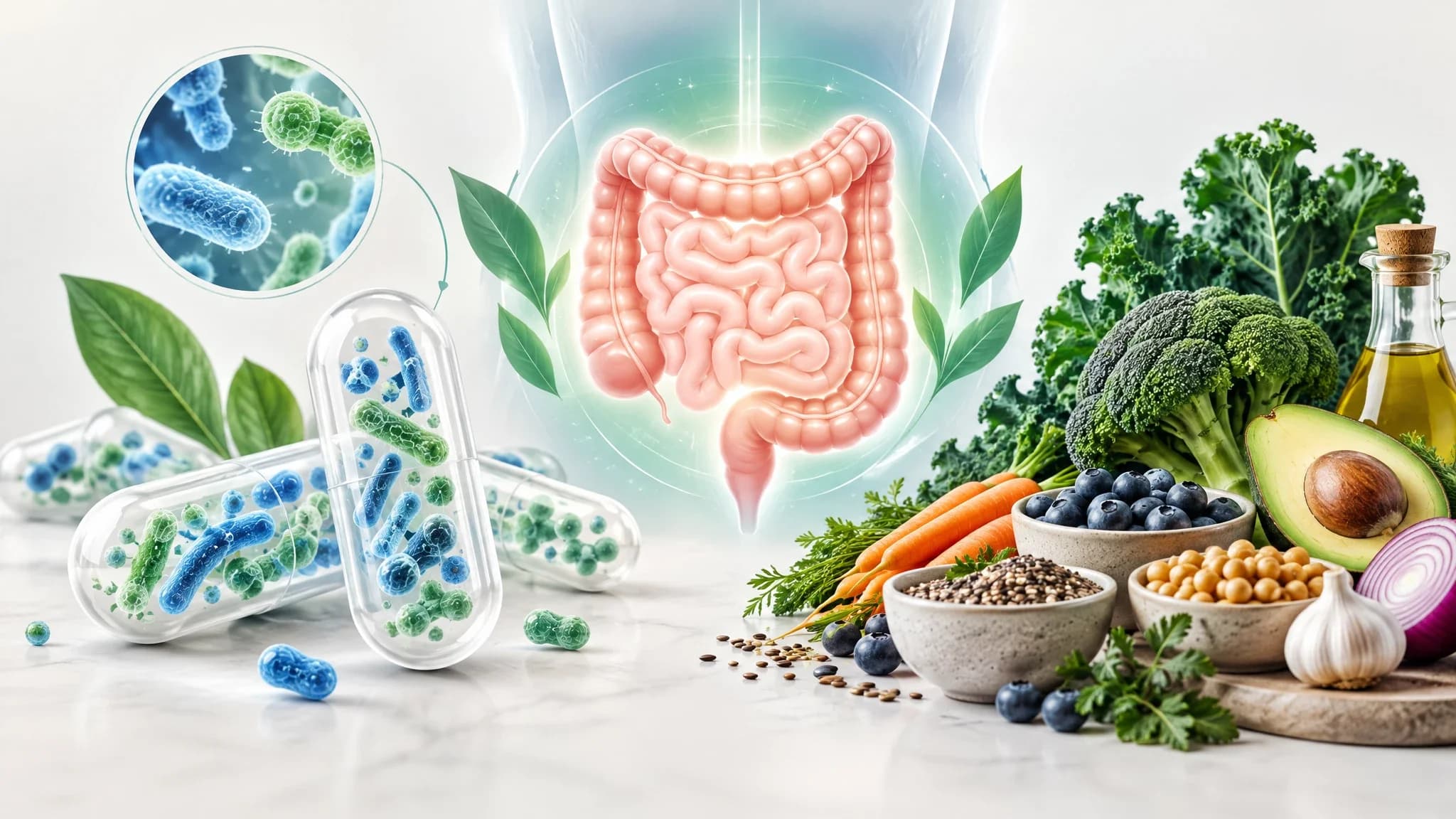
Phase 1: Reduce bacterial overgrowth
The first step is usually to reduce the bacterial load in the small intestine. The main options are:
- Specific antibiotics: rifaximin is the most used due to its localized action in the intestine and low systemic impact. In methane SIBO it's usually combined with neomycin.
- Herbal antibiotics: for people who prefer to avoid pharmacological antibiotics, some protocols use combinations of herbs with antimicrobial action (such as oregano, garlic or berberine). They should always be used under professional supervision.
Phase 2: Diet during treatment
The low-FODMAP diet (fermentable carbohydrates) is frequently used to reduce the "fuel" of bacteria during treatment. By temporarily eliminating sugars such as fructose, lactose, fructooligosaccharides and polyols, fermentation is reduced, along with symptoms.
It's important to note that the low-FODMAP diet isn't a treatment in itself nor designed to be followed permanently: it's a temporary strategy that must be accompanied by the other interventions.
Phase 3: Restore the gut microbiota
This is the most critical phase for preventing relapses and, paradoxically, the most frequently skipped. Once the overgrowth has been reduced, you must actively work on restoring the microbial ecosystem of the large intestine:
- Selective probiotics: not all probiotics are suitable during or after SIBO. Saccharomyces boulardii is one of the best studied in this context. Protocols must be individualized.
- Progressive prebiotics: gradually reintroduce fermentable fiber to feed the beneficial bacteria of the colon.
- Anti-inflammatory diet: rich in vegetables, legumes (reintroduced carefully), fermented foods and omega-3 fatty acids.
- Stress and sleep management: the gut-brain axis is bidirectional; chronic stress reduces intestinal motility and can perpetuate SIBO.
Why knowing your microbiota can make the difference
If you've been through or are going through SIBO, you know that no two cases are alike. Symptoms vary, treatment response varies, and recovery time varies. One reason is that everyone's microbiota is unique, and the state of your microbial ecosystem largely determines how you respond to each intervention.
An advanced gut microbiota test like VitalOme analyzes more than 5,000 bacterial species in your microbiota through NGS sequencing and gives you information on 17 health areas, including digestive health, intestinal barrier function, low-grade inflammation, energy metabolism and the gut-brain axis.
This information can be very useful to understand the context in which your SIBO occurred, design a more personalized recovery strategy and really track how your microbiota evolves.
With a gut microbiota test such as VitalOme, you can get a detailed analysis of more than 5,000 bacterial species and detect imbalances that may be favouring an environment conducive to SIBO.
Discover how VitalOme works →You can also check our comparison of microbiota tests available in Spain to see how VitalOme differs from other options on the market.
Frequently asked questions about SIBO
Does SIBO heal permanently?
It depends on whether the underlying cause is identified and corrected. If the factor that triggered it (for example, reduced motility or continued use of a medication) isn't addressed, relapses are frequent. With a comprehensive approach — reducing overgrowth, an appropriate diet and restoring the microbiota — many people manage to keep SIBO under control long-term.
Is SIBO the same as irritable bowel syndrome (IBS)?
No, although they share many symptoms and frequently coexist. Studies estimate that between 30% and 85% of people with IBS also have SIBO. That's why, in cases of refractory IBS (that doesn't improve with usual treatments), many specialists recommend ruling out SIBO.
Can I take probiotics if I have SIBO?
It's a debated topic. Some studies suggest that certain probiotics can worsen symptoms during active overgrowth, while others (especially Saccharomyces boulardii) can be beneficial. The key is choosing the right probiotic for each phase and case, always with professional guidance.
What's the difference between hydrogen SIBO and methane SIBO (IMO)?
Hydrogen SIBO is caused by hydrogen-producing bacteria and is usually associated with diarrhea. Methane SIBO (formally called IMO, Intestinal Methanogen Overgrowth) is caused by methanogenic archaea and is more frequently associated with constipation. Both require slightly different treatments and can coexist.
Can stress cause SIBO?
Not directly. But chronic stress reduces intestinal motility (including the migrating motor complex that clears the intestine between digestions), which favors overgrowth. In addition, stress alters the composition of the colon microbiota, weakening the ecosystem's natural defenses. That's why stress management is an important part of any SIBO recovery strategy.
This article is purely informative and does not replace personalized medical diagnosis or treatment. If you think you may have SIBO, consult your doctor or a nutritionist specialized in digestive health.
Related articles
Want to know the state of your gut microbiome?
Analyse your gut microbiome at home with VitalOme
Over 5,000 bacterial species analysed. Results in the app in 2 weeks. Free shipping in Spain.
Order my VitalOme kit — €249